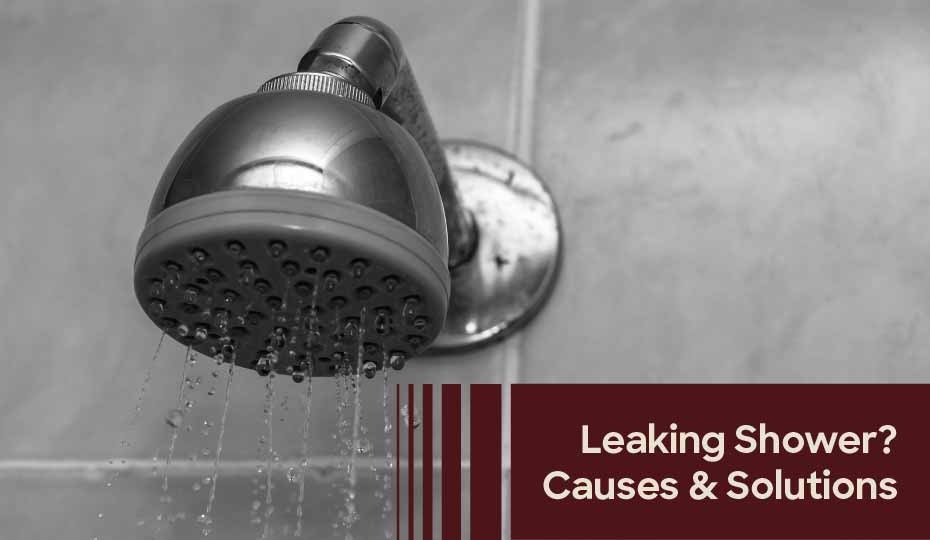
A leaking shower is one of the most common issues in Melbourne homes and it’s usually less dramatic than it sounds. Most leaks come from degraded grout, cracked silicone, or an old waterproofing membrane. The good news? A lot of these repairs don’t require ripping out the whole shower.
This guide helps you figure out what’s going on, what the fix looks like, and when it’s time to bring in a licensed tiler.
Signs Your Shower Is Leaking
Not sure if you’ve actually got a problem? Here’s what to look for.
Inside the Bathroom
Check inside the shower and around it for:
- Cracked, crumbling, or missing grout lines
- Black mould in the grout that keeps coming back no matter how often you clean it
- Silicone that’s peeling, cracked, or pulling away from the wall
- Tiles that sound hollow when you tap them (water behind the tiles)
- Efflorescence — white, chalky deposits on grout lines caused by water moving through the joints
Telltale Signs in Rooms Below or Next Door
If your bathroom is upstairs or has an adjoining room, check:
- Damp patches, staining, or bubbling paint on the ceiling below
- A musty smell in the room below or next door
- Damp patches appearing on a shared wall
- Mould forming in a room that has no reason to be wet
Any of these is a red flag. A leaking shower doesn’t get better on its own. It only gets worse.
What Causes a Shower to Leak?
Cracked or Missing Grout
Grout takes constant punishment. Heat, steam, cleaning products, and everyday movement all wear it down over time. When grout cracks, shrinks, or erodes, it leaves open pathways for water to get behind the tiles. This is the most common cause of leaking showers in Melbourne homes, and it’s one of the easier ones to fix.
Failed Silicone
Silicone is used at all the movement joints in a shower, where walls meet floors, where the screen meets the tiles, around fixtures. Over 5–10 years, it ages, shrinks, and loses adhesion. When it lets go, water has a direct path through. Failed silicone is often visible if you look closely at the corners and edges of your shower.
Waterproofing Membrane Failure
The membrane sits behind the tiles and is the last line of defence against water getting into the structure. If it was poorly applied, has deteriorated with age, or wasn’t applied at all, water will penetrate even if the grout and silicone look fine. Membrane failure is the most serious cause and the one that usually requires more significant repair.
Leak or Just Condensation? How to Tell
Condensation happens when steam from a hot shower hits a cooler surface. It evaporates quickly once the bathroom dries out. A leak doesn’t.
Simple test: After a shower, dry the walls with a towel. Come back 24 hours later without using the shower. If the wall is damp again, that’s a leak. Not condensation.
Plastic sheet test: Tape a square of plastic over a suspect area, seal all four edges with tape, and leave it for 24–48 hours. Moisture on the underside of the plastic means water is coming through the wall. Moisture on top is just condensation.
How a Leaking Shower Is Repaired
Regrouting & Resealing
The most common fix for a leaking shower is removing the old grout and silicone, cleaning the joints properly, and applying fresh materials. This works well when the leak is coming from degraded grout or failed silicone — and when the waterproofing membrane underneath is still intact.
The job typically takes 1–2 days depending on shower size. The shower then needs to cure for 48–72 hours before it’s used again.
Repairs Without Removing All the Tiles
Some membrane leaks don’t require a full strip-out. Targeted repair options include:
- Injection systems: A flexible sealant is injected through the grout lines to coat the membrane behind the tiles
- Overlay systems: Applied over existing tiles in some cases where the membrane is mostly sound
These work well for localised issues but they’re not a substitute for proper waterproofing if the membrane has failed across a large area. Your tiler can advise what’s appropriate after an inspection.
When the Membrane Must Be Redone
If the waterproofing membrane has failed across a significant area, or if water damage has affected the substrate behind the tiles, a full strip-out is the right fix. Tiles are removed, the substrate is repaired or replaced, new waterproofing is applied to AS 3740 standard, and the shower is retiled. It’s a bigger job, but it’s the fix that actually holds.
Patch-and-pray repairs on a failed membrane just delay the next problem.
How Much Does Leaking Shower Repair Cost in Melbourne?
| Repair Type | Estimated Cost |
| Regrout & reseal only | $300 – $700 |
| Regrout + full silicone replacement | $400 – $900 |
| Partial tile removal + re-waterproof | $1,000 – $2,500 |
| Full shower strip-out + retile | $3,000 – $6,000+ |
The right repair depends on the cause and how far the damage has spread. A proper inspection before quoting is essential and Secure Tiling offers free leaking shower inspections across Melbourne.
Why You Shouldn’t Ignore a Leaking Shower
A slow leak doesn’t feel like an emergency. But here’s why leaving it is a bad idea:
- Structural damage: Water soaking into timber framing causes rot and weakens the building over time
- Mould in wall cavities: A genuine health hazard, and expensive to remediate once established
- Insurance complications: Insurers can deny water damage claims if a known leak was left unrepaired
- Resale problems: Water damage identified in a building inspection can tank a sale or require costly pre-sale repairs
The longer a leaking shower is left, the more damage it does and the more expensive the fix becomes.
Frequently Asked Questions
Why is my shower leaking?
The most common causes are cracked or missing grout, failed silicone at junctions, or a deteriorated waterproofing membrane. Most leaks are fixable without a full tile strip-out if they’re caught early.
How do you fix a leaking shower without removing the tiles?
If the leak is from failed grout or silicone, regrouting and resealing usually resolves it. For some membrane leaks, injection or overlay repair systems can work without a full demo. Your tiler can advise after an inspection.
How much does leaking shower repair cost in Melbourne?
Leaking shower repairs in Melbourne range from $300–$700 for a regrout and reseal up to $3,000–$6,000+ for a full strip-out and retile when the membrane has failed significantly.
How do I know if my shower waterproofing has failed?
Signs include tiles that sound hollow when tapped, mould returning persistently after cleaning, efflorescence on grout lines, and moisture or staining on ceilings and walls in rooms below. A licensed tiler can inspect and confirm.
Is my shower leaking or is it just condensation?
Dry the shower walls after use and check again 24 hours later without using the shower. Dampness that returns without use is a leak. The plastic sheet test (taped to the wall for 24–48 hours) also helps confirm.
Can regrouting or resealing stop the leak?
Yes. If the cause is degraded grout or failed silicone, regrouting and resealing the shower typically resolves the problem. If the membrane has failed, regrouting alone won’t fix it.
Can a leaking shower cause structural damage?
Yes. Water penetrating the substrate can rot timber framing, cause mould in wall cavities, and damage the ceiling below. Left long enough, it’s a serious and costly structural issue.
How long does a leaking shower repair take?
A regrout and reseal typically takes 1–2 days including curing time. More extensive repairs involving tile removal and re-waterproofing usually take 3–5 days.
Don’t Let a Small Leak Become a Big Problem
A leaking shower in Melbourne is rarely a crisis but only if you deal with it quickly. The sooner it’s diagnosed and fixed, the less damage it does.
Secure Tiling offers free leaking shower inspections and repair quotes across Melbourne. Get it sorted before the damage spreads. Book your free shower inspection.