Renovating a bathroom soon? The tiles you choose can make or break the whole room. They set the mood, handle daily splashes, and need to survive years of steamy showers, wet towels, and everyday knocks. If you are planning a reno anywhere in Melbourne, this guide walks you through the best bathroom tile ideas, top materials, and the trends shaping bathrooms in 2026, so you can plan yours with confidence instead of guessing.
Bathroom tiles get more daily use than almost any other surface in the house, yet they often get picked last minute. That rushed decision can cost you later.
How to choose bathroom tiles for your Melbourne home
Picking bathroom tiles is not just about looks. Your bathroom copes with moisture, temperature swings, and daily foot traffic, so a few practical checks go a long way before you buy anything. Getting this part right now saves you from expensive changes down the track.
Start with these basics:
- Water resistance: bathrooms are wet zones, so tiles need low water absorption, especially on shower floors and walls.
- Size of the room: a small bathroom needs different tile sizing tricks than a big family bathroom.
- Budget: porcelain and ceramic suit most budgets, while natural stone and terrazzo sit at the higher end.
- Maintenance: some tiles need sealing and regular care, others just need a wipe down.
- Style: think about whether you want a calm, neutral look or a bold feature wall that becomes the star of the room.
It also helps to think about grout colours early on. Light grout looks fresh but shows dirt fast, especially around the shower base and floor. Dark grout hides grime much better but can make a small space feel tighter and heavier. Many Melbourne homeowners now choose a grout shade close to the tile colour for a clean, seamless finish that does not draw attention to itself.
If you are unsure what will work best for your layout, our team at Secure Tiling can walk you through options as part of our tiling service, based on real project experience across Melbourne homes. We have seen firsthand which combinations age well and which ones cause headaches a few years down the line.
Popular bathroom tile ideas
There is no single right way to tile a bathroom, but a few layouts and combinations keep coming up in the most loved renovations. Whether you want a bold statement or a calm, spa like feel, there is a tile idea to match your taste and your budget.
Wall, floor and feature wall tiles
Floor tiles and wall tiles do not have to match exactly, and honestly, mixing it up often looks better. Here are some popular combos:
- Subway tiles on the walls with a plain floor tile underneath, for a timeless, classic bathroom look that never really goes out of style.
- Large format floor tiles paired with smaller, textured wall tiles for contrast.
- A feature wall tile behind the vanity or bath, using a bold pattern, colour, or natural stone look, while the rest of the room stays simple.
- Shower niche tiling that matches or contrasts the surrounding wall tiles, turning a functional shelf into a design feature instead of an afterthought.
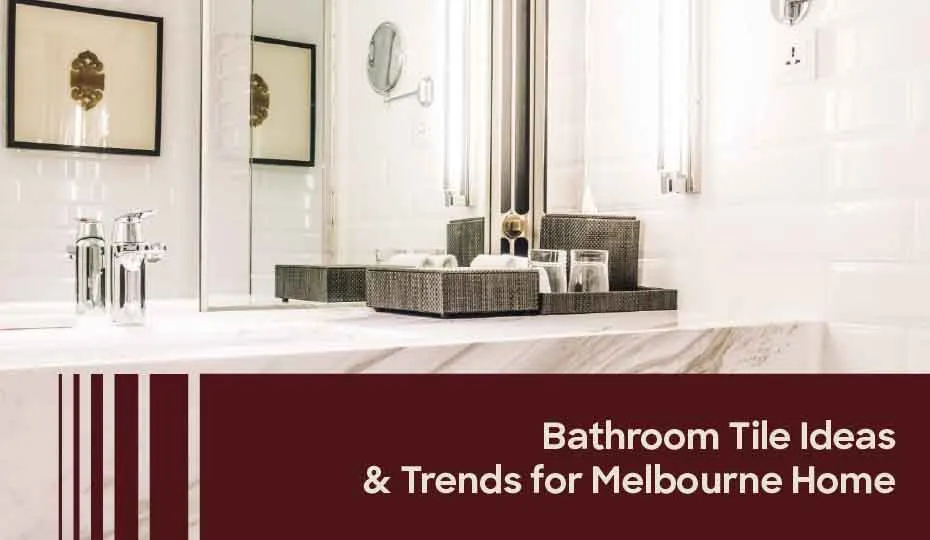
Subway tiles remain one of the most requested bathroom wall tiles in Melbourne, and for good reason. They are affordable, easy to clean, and work with almost any style, from classic to modern. You can lay them in a straight stack, a classic brick pattern, or even a herringbone layout if you want something a bit different without going too bold.
A well placed feature wall tile can lift a plain bathroom instantly. Think textured stone look tiles, deep green or navy tones, or a patterned tile that draws the eye without overwhelming the room. Placing it behind the vanity mirror or along the bath edge gives your eye somewhere to land the moment you walk in, and it photographs beautifully too if that matters to you.
Ideas for small bathrooms
Small bathroom tiles need to work a bit harder. The right choice can make a tiny room feel open and bright, while the wrong choice can make it feel boxed in.
Some tips that genuinely work:
- Go for larger tiles rather than lots of small ones. Fewer grout lines make a room feel bigger.
- Stick to light colours like whites, soft greys, and warm beiges to bounce light around.
- Run the same tile from the floor up the shower wall to remove visual breaks.
- Use a glossy finish to reflect more light in a windowless bathroom.
- Add one small feature, like a patterned tile inside the shower niche, instead of covering the whole room in pattern.
Mirrors and good lighting help too, but tile choice does most of the heavy lifting when it comes to making a small room feel less cramped.
If your bathroom is on the smaller side, our team has handled plenty of tight layouts and can suggest bathroom tiles ideas that suit your exact space, not just generic advice pulled from a design magazine.
Best tile materials for bathrooms
Material choice affects durability, price, and how much upkeep your bathroom needs. Here is a quick comparison to help you decide:
| Material | Best For | Maintenance | Price Range |
| Ceramic | Walls, budget reno | Low | Budget friendly |
| Porcelain | Floors, wet areas | Low | Mid range |
| Natural Stone | Feature walls, luxury look | Higher, needs sealing | High |
| Terrazzo | Floors, splashbacks | Low to moderate | Mid to high |
Porcelain tiles are usually the top pick for bathroom floor tiles because they are dense, water resistant, and tough enough for daily use. They cost a bit more than ceramic but often work out cheaper over time since they last longer and need less repair or replacement.
Ceramic tiles work well on walls where there is less foot traffic and less stress on the surface. They come in a huge range of colours and finishes, which makes them a great pick if you want to experiment with a bold subway tile pattern without blowing the budget.
Natural stone and terrazzo sit at the premium end, but they bring a look that manufactured tiles struggle to copy exactly. If you want a one of a kind bathroom, these materials are worth the extra spend, as long as you are happy with the upkeep they need.
If you want a deeper look at how porcelain and ceramic compare, our Porcelain vs Ceramic blog breaks down the differences in more detail, including cost, durability, and where each one works best.
Non-slip and wet-area considerations
Safety matters just as much as style, especially on bathroom floors. Wet tiles can get slippery fast, so it pays to choose the right surface for wet areas.
Look out for:
- Slip rating: tiles for bathroom floors should have a suitable slip resistance rating, especially inside the shower.
- Texture: non-slip bathroom tiles often have a slightly textured or matte finish rather than a high gloss one.
- Tile size in showers: smaller tiles or mosaics create more grout lines, which actually improve grip underfoot.
- Sloped areas: shower floors need correct falls so water drains properly and does not pool.
Non-slip bathroom tiles are especially important for family bathrooms, homes with older residents, or anyone renovating with long term safety in mind. It is a small detail that makes a big difference, and it is much easier to plan for it now than to fix a slippery floor after the tiling is done.
Bathroom tile trends for 2026
Bathroom tile trends move slower than fashion, but there are clear shifts happening in Melbourne homes right now. Here is what is trending heading into 2026:
- Earthy, warm tones like terracotta, olive, and warm beige are replacing the all white bathroom look.
- Large format tiles continue to grow in popularity for a clean, seamless finish with fewer grout lines.
- Textured and 3D tiles are being used on feature walls to add depth without adding colour.
- Terrazzo style tiles are back, offering a retro look with modern durability.
- Curved shower niches and rounded tile edges are softening otherwise sharp, boxy bathroom layouts.
Micro cement style finishes and stone look large slabs are also gaining ground for a seamless, low maintenance finish.
If you love the idea of a fresh, on trend bathroom, browsing our projects page is a great next step to see these trends applied in real Melbourne homes, rather than just in a catalogue photo.
Ready to bring your bathroom tile ideas to life? Get a Free Quote today, or call us on +61 472 712 045 to chat with our team about your project.
Frequently asked questions
What tiles are best for a bathroom?
Porcelain tiles are generally best for bathroom floors because they resist water and handle daily wear well over many years. Ceramic tiles are a solid, budget friendly choice for walls, since they see less moisture and less foot traffic. For wet areas like showers, always choose a tile with a suitable slip rating to keep the space safe underfoot, no matter how good it looks in the showroom.
Which tiles make a small bathroom look bigger?
Large, light coloured tiles with a glossy finish tend to make small bathrooms feel more open, since they reflect more light and create fewer grout lines to break up the space. Running the same tile from the floor up the shower wall removes visual breaks and helps the whole space feel bigger, while keeping bold patterns limited to one small feature area, like a shower niche or a single accent strip.