Travertine Tiles: Pros, Cons, Uses & Cost
There is something about travertine that just feels expensive without trying too hard. That warm, sandy tone and natural texture has made travertine tiles a go to choice for Melbourne homes wanting a timeless, high end look. But before you commit, it is worth knowing exactly what you are getting into, the good parts and the parts that need a bit more upkeep.
This guide covers everything you need to know about travertine tiles, from what they actually are to how much they cost and whether they are the right fit for your space.
What Are Travertine Tiles?
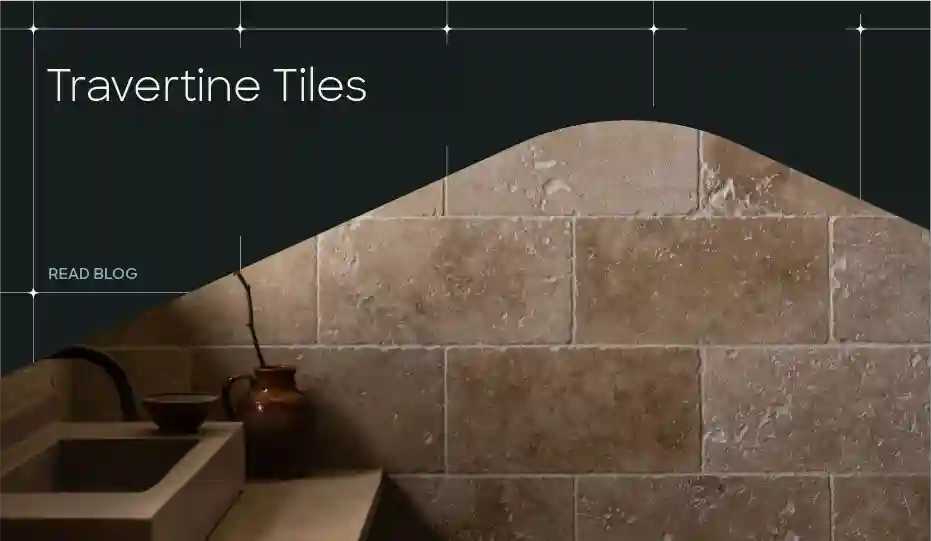
Travertine is a natural stone, formed from mineral deposits around hot springs and limestone caves over thousands of years. That slow formation process is exactly why travertine has such a distinct look. It is full of tiny natural holes and veins, giving every tile a slightly different pattern.
You will usually find travertine tiles in a few common finishes:
- Honed: smooth, matte surface with the natural holes filled in
- Tumbled: rougher, more rustic texture with visible holes left open
- Polished: shiny finish, though less common since it can reduce slip resistance
- French pattern travertine: a mix of different tile sizes laid in a set repeating pattern, popular for larger floor areas
Silver travertine is one of the more popular colour variations, offering a cooler, grey toned look compared to the classic warm beige most people picture. It works particularly well in more contemporary homes, since the grey undertone pairs easily with darker fixtures, black tapware and cooler colour schemes without clashing.
Travertine is technically a type of limestone, but it is treated as its own category because of how differently it looks and behaves once cut into tiles. The natural holes you see are actually gas pockets that formed as the mineral deposits built up over time. Some suppliers fill these holes with a resin or grout filler for a smoother finish, while others leave them exposed for a more raw, rustic texture. Neither is right or wrong, it really just depends on the style you are going for.
Travertine Tile Pros and Cons
Like any natural stone, travertine tiles have real strengths and real tradeoffs. Here is a simple breakdown.
Pros:
- Unique natural pattern, no two tiles look exactly the same
- Naturally cool underfoot, great for warmer climates and pool areas
- Timeless look that suits both modern and classic homes
- Durable when properly sealed and maintained
- Good slip resistance in tumbled or honed finishes
Cons:
- Porous surface means it needs regular sealing to prevent staining
- Can be damaged by acidic substances like vinegar or citrus if unsealed
- Generally costs more than porcelain or ceramic
- Polished finishes can be slippery, especially around pools
- Needs more maintenance over its lifetime compared to man made tiles
None of these cons are dealbreakers. They just mean travertine needs a bit more care than something like porcelain. If you are happy to reseal it every so often, the tradeoff is a floor or wall that looks genuinely one of a kind.
Where to Use Travertine
Travertine tiles are versatile, but some spots suit them better than others.
Bathrooms and Floors
Travertine tile works beautifully in bathrooms thanks to its natural, spa like feel. A honed or tumbled finish gives you the slip resistance needed for wet areas, while still keeping that soft, textured look. For interior floors, travertine adds warmth that porcelain often cannot quite match, especially in living areas or hallways where you want a natural stone feel underfoot.
Travertine also pairs really well with underfloor heating, since natural stone holds and transfers warmth effectively. If you are planning a bathroom renovation with heated floors, travertine is worth putting on your shortlist. Just make sure your installer factors this in during the screeding and prep stage, since stone tiles can behave differently to porcelain when it comes to expansion and contraction with heat.
Pool Coping Tiles
This is where travertine really shines. Pool coping tiles need to stay cool in direct sun and provide grip when wet, and travertine ticks both boxes naturally. It does not heat up the same way darker porcelain or concrete can, which makes a real difference on a 35 degree Melbourne summer day when you are walking barefoot around the pool edge.
Pavers and Outdoor Areas
Travertine pavers are a popular choice for outdoor entertaining areas, alfresco spaces and pool surrounds. Travertine crazy paving, which uses irregular, randomly shaped pieces, is another option if you want a more rustic, organic look rather than uniform square tiles. Both options handle outdoor conditions well when properly sealed.
Driveways and courtyards are another spot where travertine pavers get used, though for high vehicle traffic areas you will want a thicker paver rated for that kind of load. Since travertine naturally stays cooler than concrete or dark pavers, it is also a smart choice for pathways and courtyards that get a lot of direct sun during Melbourne summers.
Travertine vs Porcelain and Other Stone
This is the comparison most people want before they buy. Here is how travertine stacks up.
| Feature | Travertine | Porcelain |
| Look | Natural, unique, varies per tile | Consistent, can mimic stone |
| Maintenance | Needs regular sealing | Low maintenance |
| Cost | Higher | Generally lower |
| Heat resistance | Stays cooler underfoot | Can get hot in direct sun |
| Durability | Durable but porous | Very durable, low absorption |
| Slip resistance | Good in honed or tumbled finish | Depends on finish |
How to Clean and Seal Travertine Tiles
Sealing travertine tiles is not optional, it is essential. Because the stone is porous, an unsealed surface will absorb spills, stain easily and wear down faster over time.
Here is a simple maintenance routine:
- Reseal travertine tiles every 1 to 2 years, or more often in high traffic or outdoor areas
- Clean spills quickly, especially anything acidic like wine, juice or vinegar based products
- Use a pH neutral stone cleaner, never anything acidic or abrasive
- Avoid vinegar based cleaning products, since acid eats away at natural stone over time
- Sweep or vacuum regularly to stop grit from scratching the surface
- Reapply sealant to outdoor travertine pavers before winter to protect against moisture
Travertine Tile Cost in Melbourne
Travertine sits in the mid to premium price range compared to other tile options. Costs vary depending on the finish, tile size and where it is sourced from, but as a general guide, travertine tiles and pavers cost more than standard porcelain or ceramic, and less than premium marble.
Factors that affect the price include:
- Finish type (honed and tumbled are usually more affordable than polished)
- Tile size and whether it is a standard format or French pattern layout
- Supply and import costs, since much travertine is sourced overseas
- Installation complexity, especially for pool coping or crazy paving layouts
Because pricing shifts based on your specific project, the best way to get an accurate number is to get a quote based on your actual space and finish preference. Larger projects, like full pool coping and paving jobs, often work out more cost effective per square metre than small feature areas, simply because of how bulk material and labour costs are structured. Get a Free Quote or Call Us on +61 472 712 045 and our team can walk you through current pricing for your project.
Frequently Asked Questions
Is Travertine Good for Bathrooms?
Yes, travertine works well in bathrooms as long as you choose a honed or tumbled finish for slip resistance and make sure it is properly sealed. The natural texture gives good grip when wet, and the warm tone suits both modern and classic bathroom designs. Just remember it will need resealing over time to keep it looking and performing its best.
Is Travertine Slippery Around Pools?
Polished travertine can be slippery when wet, so it is not the best choice for pool areas. Honed or tumbled finishes are a much safer option, since the slightly textured surface provides natural grip even when the tiles are wet. This is exactly why tumbled and honed finishes are the standard choice for pool coping tiles.
Final Thoughts
If you are considering travertine for your next project, our team at Secure Tiling can help with everything from supply to installation, including sealing advice and long term maintenance tips so your investment stays looking sharp for years. Check out our tiling service and paving service for travertine pavers, or browse our projects to see examples of our past work.
Ready to get started? Get a Free Quote or Call Us on +61 472 712 045 and we will help bring your travertine project to life.