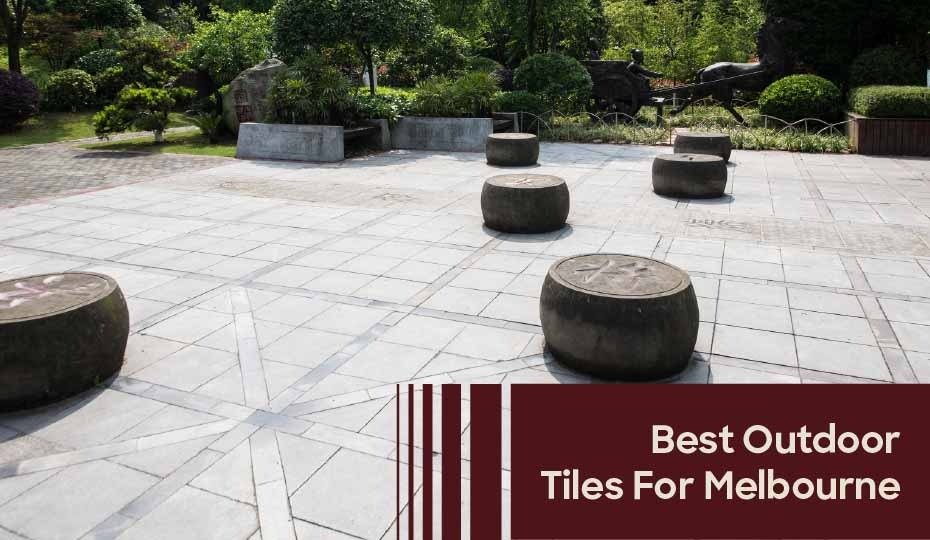
Outdoor tiles can turn a plain backyard into a space your family actually wants to use. Melbourne’s weather tests outdoor surfaces hard. Tiles face hot sun, heavy rain, and cold winter mornings in the same year. Cheap or poorly chosen tiles crack, fade, or become slippery fast. The right outdoor tiles handle all of this and still look good for years.
This guide covers what to look for, the best materials for outdoor floor tiles, and how much outdoor tiling costs in Melbourne. By the end, you will know how to choose tiles that suit your patio, pool area, or alfresco space.
What to Look for in Outdoor Tiles
Not every tile is safe or strong enough for outdoor use. Before you pick a colour or pattern, check these three things first.
Slip Resistance and Safety Ratings
A tile can look great and still be unsafe outdoors. Slip resistance is the first thing to check, not the last.
Tiles are tested and given an R rating or a P rating. The R rating ranges from R9 to R13. A higher number means better grip. For most Melbourne homes, non-slip rated outdoor tiles with an R11 or higher are a safe pick. Pool areas and steps should go even higher, towards R12 or P4 to P5.
Australian Standard AS 4586 covers slip resistance for new pedestrian surfaces. A licensed tiler can check a tile’s rating before it goes near a pool edge or entry step.
If you want a deeper look at how these ratings work, this guide to tile slip ratings explains the testing methods in plain terms.
Weather and Frost Resistance
Melbourne mixes hot summers with cold, wet winters. Some mornings even bring frost in the outer suburbs. Outdoor tiles need to survive both ends of this range.
Porous tiles soak up water. When that water freezes, it expands and can crack the tile. Dense, low porosity tiles like porcelain handle frost much better than softer stones.
Always check the water absorption rate before buying. Lower numbers mean better protection against Melbourne’s cold spells.
Thickness (20mm Pavers)
Outdoor patio tiles need more strength than indoor tiles. A common choice for Melbourne patios is 20mm thick porcelain pavers.
This extra thickness gives the tile more impact resistance. It also allows large outdoor tiles to be laid on raised supports for better drainage, which suits pools and rooftop terraces.
Thinner indoor style tiles are not built for foot traffic, furniture, and weather all at once. Using them outdoors often leads to cracking within a year or two.
Best Outdoor Tile Materials
Once you understand ratings and thickness, the next step is choosing a material. Each option below suits different budgets and styles.
Porcelain
Outdoor porcelain tiles are one of the most popular choices for Melbourne homes. They are dense, low-maintenance, and available in slip-resistant finishes.
Porcelain copies the look of timber, stone, or concrete without the upkeep those materials need. It does not fade quickly in the sun and resists frost well, which suits our climate.
A common one we see is homeowners switching from natural stone to porcelain after dealing with constant sealing and staining. Porcelain cuts that require maintenance right down.
Travertine and Natural Stone
Travertine tiles outdoors are popular for their warm, natural colour. They suit Mediterranean-style courtyards and pool areas.
Travertine stays cooler underfoot than darker tiles, which matters around a pool on a hot day. The trade-off is that natural stone is porous and needs regular sealing to resist stains and moisture.
If you choose travertine, plan for sealing as part of normal upkeep, not a one-off job.
Bluestone
Bluestone is a Melbourne classic. You will see it on older homes, laneways, and modern courtyards alike.
It has a tough, natural look with subtle colour variation in every piece. Bluestone copes well with our climate and develops a soft patina over time, which many homeowners like.
It is heavier and often more expensive than porcelain, so it suits projects where the budget allows for a premium natural finish.
Tiles vs Pavers: Which Suits Your Patio?
Tiles and pavers are often used as the same thing, but they are not identical. Tiles are thinner, with sharper edges and finer finishes. Pavers are thicker, often with rougher or textured surfaces.
For a smooth, modern patio, porcelain outdoor tiles give a clean, seamless look with tight joints. For a more relaxed, textured finish, pavers can handle heavier traffic and uneven ground more easily.
Your base preparation matters just as much as the product you choose. A poorly prepared base will cause movement and cracking, no matter how good the tile is. Our Paving Services team can help you compare both options for your specific patio before you commit.
Best Tiles for Pool Surrounds and Alfresco Areas
Pool areas and alfresco spaces have their own demands. Wet feet, splash zones, and bare skin on hot days all need consideration.
For pool surrounds, slip resistance comes first. Choose tiles rated R11 or higher, and go higher again for coping and steps. Light coloured porcelain stays cooler underfoot in direct sun, which matters around a pool.
For outdoor tiles for alfresco areas under a roof, you have a bit more flexibility. These spaces get less direct rain, so a wider range of finishes will work. Large-format porcelain tiles create a smooth flow from indoors to outdoors, which makes the space feel bigger.
If safety around water is a priority, our non-slip outdoor tiles guide breaks down ratings and finishes in more detail.
Do Outdoor Tiles Need Sealing?
This depends on the material. Porcelain tiles are dense and generally do not need sealing. Natural stone, like travertine and bluestone, almost always benefits from sealing.
Sealing protects porous stone from stains, moss, and moisture damage. Without it, natural stone can darken unevenly and become more slippery over time.
As a rough guide, natural stone outdoors should be resealed every one to two years, depending on exposure and foot traffic. Porcelain only needs a normal cleaning with water and a mild detergent.
If you are unsure what your current tiles need, our Tiling Services team can check the material and recommend the right maintenance.
Outdoor Tiling Costs in Melbourne
Cost depends on the material, tile size, and the condition of your existing surface. As a general guide:
- Porcelain outdoor tiles: $50 to $90 per square metre, supplied
- Travertine and natural stone: $80 to $150 per square metre, supplied
- Bluestone: $90 to $160 per square metre, supplied
- Installation labour: $60 to $100 per square metre, depending on base work
These figures cover supply and lay only. They do not include base preparation, drainage work, or removal of old tiles, which can add to the total.
A common issue we see is homeowners getting a low quote that skips proper base preparation. This often leads to cracked tiles within a year, which costs more to fix than doing it right the first time.
If you want a clear, honest figure for your project, get in touch with Secure Tiling for a free quote. We will look at your space and give you real numbers, not guesses.
For a deeper breakdown of paving-specific costs, our Paving Cost Guide covers base preparation and material differences in detail.
Conclusion
Choosing the right outdoor tiles comes down to three things. Pick a material suited to Melbourne weather, check the slip rating for your space, and use proper thickness for outdoor conditions. Get this right, and your patio, pool area, or alfresco space will last for years with minimal upkeep.
Secure Tiling has helped Melbourne homeowners choose and install outdoor tiles across patios, pools, and alfresco areas. If you are planning a project, contact us for a free, no-obligation quote, and we will help you get it right from the start.
FAQs
What are the best tiles for outdoor areas?
Porcelain is generally the best all-around choice for outdoor areas. It resists frost, fades less, and comes in slip-resistant finishes suited to Melbourne weather. Natural stone, like bluestone and travertine are good option too, but they need more maintenance.
What are the best non-slip outdoor tiles?
The best non-slip outdoor tiles carry an R11 rating or higher, with R12 for pool areas. Textured porcelain and certain natural stone finishes both meet this standard. Always check the rating on the product spec sheet before buying.
Are porcelain tiles good for outdoors?
Yes, porcelain tiles are a strong choice for outdoor areas. They are dense, low-maintenance, and resist Melbourne’s frost and rain well. Choose a 20mm thickness and a slip-resistant finish for the best result.
Tiles vs pavers for a patio, which is better?
Tiles suit a smooth, modern finish with tight joints, while pavers handle heavier traffic and uneven ground better. The right choice depends on your style and how the area will be used. A proper base is essential either way.
What slip rating do outdoor tiles need?
Most Melbourne outdoor areas should use tiles rated R11 or higher. Pool surrounds, steps, and ramps should go higher again, towards R12. AS 4586 sets out these slip resistance standards for new surfaces.
Do outdoor tiles need sealing?
Porcelain tiles generally do not need sealing. Natural stone tiles, such as travertine and bluestone, usually need sealing every one to two years to protect against stains and moisture damage.
What are the best tiles for a pool surround?
Light coloured, textured porcelain with a high slip rating is a strong choice for pool surrounds. It stays cooler underfoot, resists moisture, and provides a safer grip around wet edges and steps.
How much do outdoor tiles cost to lay in Melbourne?
Supply and installation for outdoor tiles in Melbourne typically range from $110 to $250 per square metre, depending on material and base preparation. Get a free quote from Secure Tiling for an accurate figure based on your space.