Pool tiles take a beating. Chlorine, sun, and constant foot traffic all wear them down. Melbourne’s weather doesn’t help either. Summers scorch. Mornings can still be frosty. The wrong tile can crack or fade within a couple of seasons. It might even turn slippery.
Choosing pool tiles the right way saves you money down the track. It saves hassle too.
Types of pool tiles
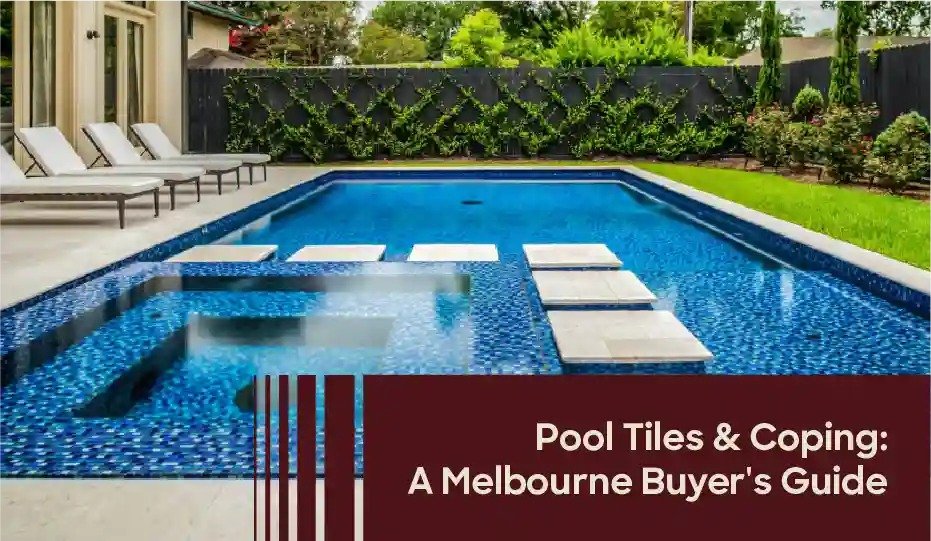
- Glass pool tiles give you a shimmering, resort-style finish. Light bounces off them in a way other materials can’t match. They hold their colour well against chlorine. They do cost more, though. Installation also takes a steady hand.
- Ceramic pool tiles sit at the more budget-friendly end. They come in a huge range of colours and patterns. That makes them a solid pick if you want variety without blowing the budget. They can be more porous than porcelain or glass. Sealing and grout choice matter more here.
- Pool mosaic tiles suit feature strips, steps, and waterlines. They’re not usually used across the whole pool. Each piece is small. That means mosaics follow curves and rounded edges far better than large tiles do. Many Melbourne pool owners use mosaics as an accent. They pair them with a plainer tile for the rest of the surface.
- Stone tiles, including travertine and limestone, bring a natural, earthy look. They’re popular for the deck around the pool rather than inside it. Some natural stone needs sealing to handle constant wet conditions. If you like that stone look but want less upkeep, porcelain tiles that mimic travertine are worth a look.
For the paving around your pool, our paving services team can match materials properly. That way, the whole area feels connected, not patched together.
Waterline tiles vs pool coping
These two terms get mixed up a lot. Here’s the plain version. Waterline tiles sit right at the surface of the water. They run around the inside edge of the pool. Their job is mostly cosmetic and practical at once.
They hide the scum line that builds up from sunscreen and body oils. They’re also far easier to clean than the pool’s main surface.
Pool coping does a different job entirely. It caps the top edge of the pool shell. That’s where the water meets the surrounding paving. Coping protects the structure underneath. It stops water from creeping in behind the tiles. It also gives swimmers a rounded, safe edge to grip.
Travertine pool coping is common across Melbourne. It stays cooler underfoot than darker stone or porcelain. That matters a lot on a 35-degree January afternoon. Bullnose and drop face profiles are the two most requested styles. Both round off sharp edges. Both reduce injury risk.
Getting the waterproofing right underneath is non-negotiable. If moisture gets behind the tiles, you’ll see cracking or lifting within a year or two. Our waterproofing service covers this stage before a single tile goes down. This is often where cheaper jobs cut corners.
Choosing pool tile colour and finish
Pool tile colours do more than set the mood. Darker tiles absorb more heat. Think deep blues, charcoals, and blacks. They can warm the water slightly. They also give the pool a moodier, almost lagoon-like look.
Lighter tiles reflect more light. Pale blues, sandy tones, and whites all work well here. They tend to make a smaller pool feel bigger and brighter.
If you’re stuck between options, look at your existing paving and fencing first. Check the house exterior too. A pool that clashes with everything around it rarely looks finished. This holds even if the tile itself is beautiful.
For pool tile ideas that don’t date quickly, go neutral. Choose a subtle texture over a bold pattern. Trends shift every few years. A well-chosen neutral tile still looks sharp a decade later.
Finish matters as much as colour. A glossy finish looks striking when dry. It can turn genuinely dangerous once wet. Matte and textured finishes are the safer bet. This is especially true anywhere feet stay bare, and the surface stays wet.
Slip resistance and durability for Melbourne weather
This is the part too many pool owners skip. It’s also the one that matters most for safety. Pool areas need tiles rated for wet, barefoot conditions. A regular outdoor tile won’t cut it. A polished porcelain might look stunning in a showroom. The moment it gets splashed, it can become a hazard.
According to Australian slip resistance ratings, pool surrounds generally need a P4 or P5 rating. Under the wet barefoot test, that’s a C rating. Ask your tiler or supplier for this rating before you commit. Don’t assume a tile is safe just because it looks textured.
Durability ties in closely with slip resistance. Melbourne’s freeze-and-thaw winters put real stress on outdoor tiles. So does the harsh summer UV. Porcelain generally holds up best against this cycle. Some natural stones flake or discolour faster if they aren’t sealed and maintained properly.
Pool tile grout deserves a mention too. Standard grout wears down quickly around pools. Epoxy grout is usually the smarter choice near waterlines and coping. It resists chemicals better. It won’t stain or crumble the way cement-based grout can after a few pool seasons.
Pool tiling and coping cost
Cost varies depending on tile type and pool size. It also depends on how much of the surrounding area needs work. As a rough guide, ceramic pool tiles sit at the lower end. Glass mosaics and premium porcelain sit in the middle to upper range. Natural stone coping usually costs more, once you factor in sealing.
Labour makes up a big chunk of the total. This is especially true around curved pool edges. Mosaic tiles or careful cutting take extra time here. A simple rectangular pool with basic coping will always cost less to tile. A freeform pool with curves and steps costs more.
It’s worth budgeting for waterproofing and proper substrate prep, too. Skipping these stages to save money upfront usually costs more later in repairs. We’ve handled projects exactly like this. You can see the finish we deliver in our outdoor pool area tiling project.
Some larger pool tile suppliers focus mainly on selling stock. A local Melbourne tiler can usually give you a more accurate quote instead. That’s because we factor in your actual pool shape, access, and existing paving. A generic price per square metre won’t capture that.
Ready to get your pool tiling sorted properly? Get a Free Quote or call us on +61 472 712 045. We’ll talk through your options.
Frequently asked questions
What tiles are best for swimming pools?
There’s no single best pool tile for every project. Glass and porcelain tend to perform well overall. Both have low porosity. Both hold colour well over time. Still, the right choice depends on your budget and pool shape. It also depends on how much slip resistance the area needs. Ceramic pool tiles remain a solid, affordable option too.
What is pool coping?
Pool coping is the capping material along the top edge of the pool shell. That’s where it meets the surrounding paving. It protects the pool structure from water damage and gives the edge a finished look. It also gives swimmers a safer, rounded surface to hold onto or walk across.