That speckled floor you keep seeing in cafes and new builds is not a passing fad. Terrazzo has been around for centuries, and it is having a proper comeback in Melbourne homes right now, from kitchens to bathrooms to living spaces. If you are curious about this timeless material, here is everything you need to know before you commit, including cost, durability, and where it works best.
Terrazzo sits in a rare spot where it feels both retro and completely current at the same time. It has that nostalgic, slightly nineties feel, but the modern versions look sleek enough for any new build or renovation. That mix is exactly why it keeps showing up in design magazines and renovation shows, and why so many Melbourne homeowners now ask about it.
What is terrazzo?
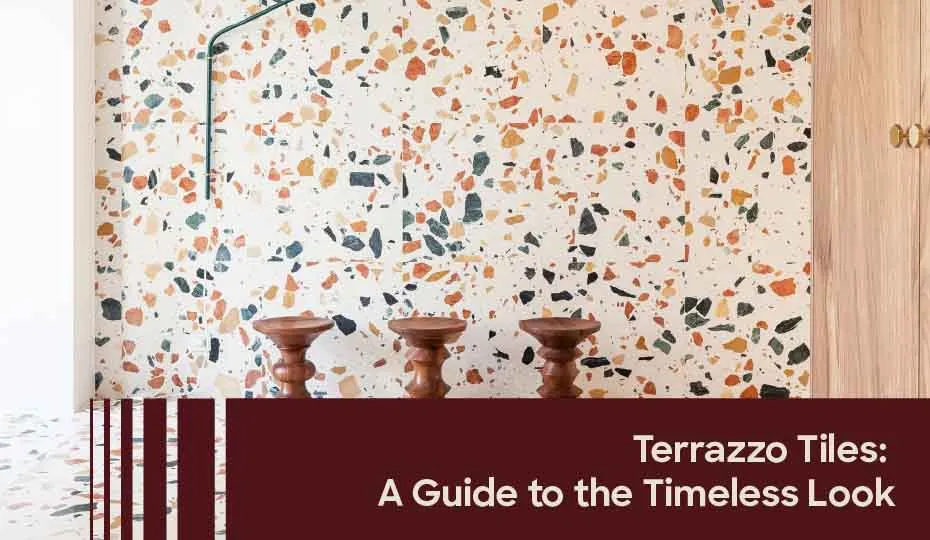
Terrazzo is a composite material made from chips of marble, quartz, granite, or glass, set into a base of cement or resin, then ground down and polished to a smooth, speckled finish. That signature look, small flecks of colour scattered across a solid background, is what makes terrazzo instantly recognisable.
It started out in Italy hundreds of years ago as a cheap way to reuse leftover marble offcuts. Venetian workers would set the chips into cement, then polish the surface smooth. Fast forward to today, and terrazzo is now a design statement in its own right, loved for its unique, one of a kind pattern that no factory line can perfectly replicate.
That history is part of the appeal. Terrazzo was originally a practical solution to a waste problem, and it has grown into one of the most sought after finishes in modern homes.
Modern terrazzo comes in two main forms:
- Poured terrazzo: mixed and poured on site, then ground and polished in place.
- Terrazzo tiles: pre-made in a factory, then installed much like any other floor or wall tile.
Both give you that classic speckled look, but they work very differently when it comes to installation, cost, and timeframes.
Terrazzo tiles vs poured terrazzo
If you like the terrazzo look but are not sure which version suits your project, this comparison should help:
| Feature | Terrazzo Tiles | Poured Terrazzo |
| Installation | Laid like standard tiles | Poured and ground on site |
| Cost | Generally lower | Generally higher |
| Time on Site | Faster | Slower, more labour intensive |
| Repairs | Easier, replace single tiles | Harder, patch repairs can show |
| Best For | Renovations, most homes | New builds, large open areas |
Terrazzo tiles are the more practical choice for most Melbourne homes. They cost less, install faster, and if one tile ever gets damaged, your tiler can simply swap it out. Poured terrazzo looks incredible in large, open commercial spaces, but it is a much bigger job and comes with a bigger price tag.
For most renovations, terrazzo tiles give you the same iconic look with a lot less disruption to your home and your budget. There is also less mess and dust during the install, since you are not grinding a whole floor down on site.
Because terrazzo tiles are made in a factory under controlled conditions, you also get a more predictable finish across the whole floor, compared to poured terrazzo which can vary slightly from section to section.
Where terrazzo works
Terrazzo is far more flexible than people expect. It is not just for floors, and it definitely is not just for retro cafes anymore. Here is where it shines in a home:
- Terrazzo floors: living areas, hallways, and open plan spaces all suit terrazzo floor tiles, since the pattern hides scuffs and daily wear really well.
- Terrazzo bathroom tiles: a growing trend, since terrazzo brings colour and texture without needing extra decor. Many homeowners now pick terrazzo tiles bathroom wide, on both floors and walls, for a cohesive look.
- Terrazzo kitchen: splashbacks and benchtops in a terrazzo look tile add personality to an otherwise plain kitchen, especially when paired with simple cabinetry.
- Terrazzo splashback: even a small terrazzo splashback area can become the focal point of a kitchen or laundry, without needing a full room reno.
Because terrazzo works in wet areas as well as dry living spaces, it is one of the few materials that can genuinely flow from room to room in a home, creating a consistent look throughout. Running the same terrazzo tile from a hallway into a bathroom or laundry can make a smaller home feel much bigger and more connected, since there is no visual break between spaces.
It also suits Melbourne’s mixed weather well. Terrazzo handles humidity, temperature changes, and everyday spills without much fuss, which makes it a practical choice as much as a stylish one.
Pros, cons and durability
Like any material, terrazzo has strengths and a few trade offs worth knowing before you choose it for your home.
Pros:
- Extremely durable and long lasting when properly installed and sealed.
- Unique pattern, since no two terrazzo tiles look exactly identical.
- Works well in both wet and dry areas of the home.
- Wide range of colours available, from classic neutral tones to fun pink terrazzo mixes.
- Low maintenance once sealed correctly.
Cons:
- Can feel cold underfoot, especially in winter, unless paired with heating.
- Poured terrazzo has a longer install time and higher upfront cost.
- Needs proper sealing to avoid staining, particularly with resin based versions.
- Repairs on poured terrazzo can be tricky to blend in seamlessly.
Overall, the pros stack up well against the cons for most households. Terrazzo is genuinely one of the more durable flooring options out there, and the maintenance load is lower than people expect once it is done right. Most of the downsides are things you plan around once, at install time, rather than ongoing problems you deal with every week.
Compared to some trend driven materials that fade out of style within a few years, terrazzo has already proven it can last for decades, both in how it wears and how it looks. That is a big part of why so many homeowners see it as a long term investment rather than just a passing design choice.
How to clean and maintain terrazzo
Terrazzo is fairly low maintenance, but a few good habits keep it looking its best for years to come.
- Sweep or vacuum regularly to remove grit that can dull the polished surface over time.
- Use a pH neutral cleaner rather than harsh acidic products, which can damage the sealant and the surface underneath.
- Wipe up spills quickly, especially oils, wine, or acidic liquids, before they have a chance to sink in.
- Reseal every couple of years, depending on foot traffic and how well the original seal was applied.
- Avoid abrasive scrubbers, since they can scratch the polished finish and dull the shine.
If you already know how to clean other stone tiles, terrazzo care will feel familiar. The main difference is being consistent with resealing, since that seal is what protects the surface from stains long term. Skipping resealing for too long is the most common mistake homeowners make, and it is usually what leads to stubborn stains that are hard to remove later.
A simple routine, regular sweeping, quick spill cleanup, and resealing on schedule, is really all it takes to keep terrazzo looking as good as the day it was installed.
Terrazzo tile cost in Melbourne
Terrazzo tile cost varies depending on the tile size, pattern complexity, chip material, and how much of your home you are covering. As a rough guide:
- Terrazzo tiles: generally sit in the mid range compared to standard porcelain, but above basic ceramic tiles.
- Poured terrazzo: typically costs more overall due to labour, grinding, and polishing time on site.
- Custom colours or larger chip patterns: can push the price higher than standard, more neutral designs.
When comparing terrazzo vs tile options like porcelain or ceramic, terrazzo usually sits a step above in price, but many homeowners feel the unique look and long lifespan justify the extra spend. It is also worth remembering that terrazzo rarely goes out of style, so you are less likely to want to replace it in five or ten years just because trends moved on.
For an accurate cost specific to your space, it is best to get a quote based on your actual floor plan, tile choice, and finish, rather than relying on a rough online estimate. Factors like access to your site, existing floor condition, and how much prep work is needed can all shift the final number too.
If you are weighing up terrazzo against other options for your reno, it helps to compare it directly against materials you already know, like porcelain or natural stone, so you can see exactly where the value sits for your specific project.
Thinking about bringing terrazzo into your next reno? Get a Free Quote today, or call us on +61 472 712 045 to talk through your options with our team.
Frequently asked questions
Is terrazzo expensive?
Terrazzo tiles sit in the mid to high price range, generally above basic ceramic but often comparable to premium porcelain. Poured terrazzo costs more due to labour and on site finishing. Given its durability and long lifespan, many homeowners see it as a worthwhile investment rather than an expensive splurge.
Is terrazzo good for bathrooms?
Yes, terrazzo works really well in bathrooms. It handles moisture fine when properly sealed, and terrazzo bathroom tiles bring colour and texture to floors and walls without needing much extra decor. Just make sure it is sealed correctly and cleaned with a pH neutral product to keep it looking sharp for years.