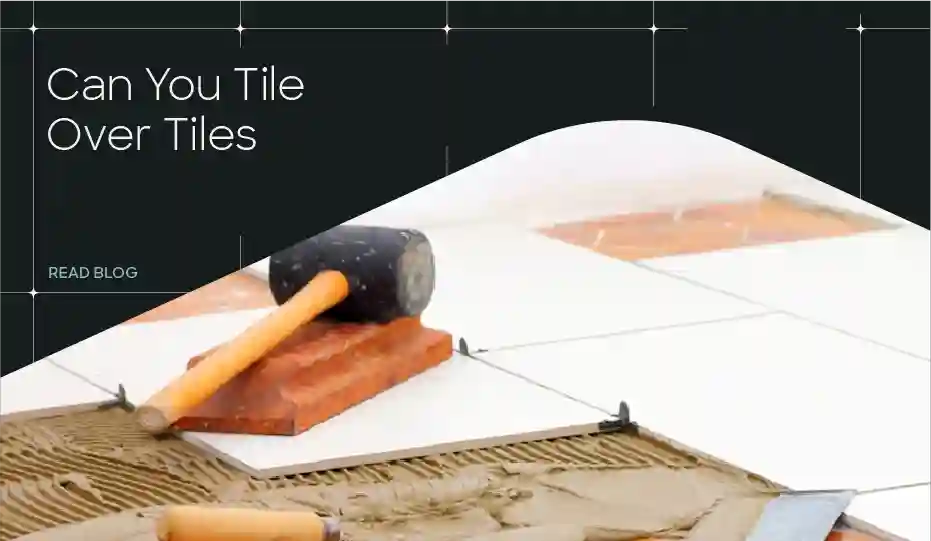
Yes, you can tile over existing tiles in some situations. The existing tiles need to be fully bonded, flat and in good condition. If even one tile is loose, cracked or hollow-sounding, tiling on top creates a bigger problem down the track. Get the surface checked before you commit to anything.
Can You Tile Over Existing Tiles? The Short Answer
The short answer is: sometimes. Tiling over existing tiles is allowed under Australian tiling standards when the substrate is solid and the added height will not cause problems with doors, transitions or waterproofing.
A licensed tiler will check a few things before giving the green light:
- Every tile is fully bonded with no hollow or drummy spots
- The surface is flat with minimal lippage between tiles
- Existing grout lines are not too wide or deep for the adhesive to bridge
- The extra height from the new layer will not create trip hazards or block door clearance
All those boxes need to be ticked. If even one fails, removal is the safer option.
When Tiling Over Tiles Works: Floors and Walls That Qualify
There are real situations where tiling over existing tiles is a sensible call. It saves time, cuts labour costs and avoids the noise and mess of full demolition. Here is where it tends to work well.
Internal walls in good condition
Flat, fully bonded internal walls are the best candidates. If the tile surface is sound and grout lines are not too deep or wide, a new tile layer can go straight over with the right primer and adhesive. Bathroom and laundry walls work well here if the waterproofing underneath is still intact.
Concrete slab floors in dry areas
A concrete slab with well-bonded tiles is a strong base for a second layer. Lounge rooms, hallways and other dry areas are low risk. As long as the height increase stays manageable, floor-on-floor tiling performs reliably.
Feature walls and living areas
Feature walls in bedrooms or living rooms are ideal. There is no waterproofing concern, the substrate is usually solid and the result looks clean. These are the easiest tile-over jobs.
Smaller tiles under larger format tiles
If existing tiles are small with narrow grout joints, laying larger tiles over the top is easier to level and old joints are less likely to telegraph through.
When You Should Not Tile Over Existing Tiles
This is where it gets important. There are clear situations where you need to pull up the old tiles and start fresh.
Tiling Over Drummy, Cracked or Loose Tiles
A drummy tile has lost its bond with the substrate. You can check for this by tapping across the tile surface with your knuckle. A hollow sound means the tile is no longer adhered.
If you tile over a drummy tile, the new layer will eventually fail too. You are adding weight and stress to something already breaking down. One loose tile can spread and compromise the whole area over time.
Cracked tiles are also a red flag. A crack in the base layer creates a weak point that can transfer through the adhesive and appear in the new surface within a year of installation.
Tiling Over Tiles in Wet Areas: The Waterproofing Problem
This is the most important reason not to tile over. Australian building standards require proper waterproofing in wet areas like showers and bathroom floors. The membrane sits under the original tiles.
When you tile over in a shower, you cannot access, inspect or repair the original waterproofing. If that old membrane is cracked or failing, water will still find a way through and cause damage behind both tile layers. If the waterproofing fails, you end up removing two layers instead of one. The smarter play is to strip the old tiles, check the membrane, fix it if needed, and retile from scratch.
How to Tile Over Tiles: Preparation, Primer and Adhesive
When existing tiles pass all the checks, here is how a proper tile-over-tile job is done.
Test every tile first
Tap across the full surface with a knuckle or tapping tool. Any hollow sounds mean those tiles need to come out before anything goes on top.
Clean the surface thoroughly
Grease, soap scum, sealers and surface coatings all need to be removed. A strong degreaser is applied and the surface is scrubbed clean. New adhesive will not bond to a dirty surface no matter how good the primer is.
Apply a bonding primer
A bonding primer is brushed or rolled across the existing tile surface. This creates a key for the adhesive to grip onto. Skipping the primer is one of the most common reasons tile-over-tile jobs fail early.
Use a polymer-modified flexible adhesive
Standard cement adhesive is not the right product for tile-on-tile work. A flexible polymer-modified adhesive handles minor movement between the two layers. This matters especially where temperature changes or foot traffic are factors.
Back-butter the new tiles
Both the existing surface and the back of each new tile get adhesive applied. This ensures full coverage and eliminates voids that could lead to cracking.
Check levels constantly
Lay tiles with a level or straightedge as you go. Any dip or rise in the existing surface can create lippage in the new layer, especially with large-format tiles.
Tiling Over Tiles vs Removing Them: Cost and Height Compared
Here is a side-by-side look to help you figure out which approach makes sense.
| Factor | Tile Over Tile | Remove and Retile |
| Labour cost | Lower (no demo needed) | Higher |
| Time to complete | Faster | Slower |
| Height added | 10 to 15 mm extra | No change |
| Waterproofing access | Not possible | Full access |
| Risk level | Higher if surface is poor | Lower overall |
| Best for | Dry areas, sound tiles | Wet areas, damaged tiles |
The extra 10 to 15 mm can affect door clearance, transition strips to carpet or timber, skirting board height and shower screen alignment. A tiler always checks height before recommending tile-over.
On cost, removing tiles adds labour and a disposal fee. For a standard bathroom floor that can mean an extra $300 to $600. In a wet area, that cost is worth it every time.
FAQ
Is tiling over tiles a good idea?
It depends on the condition of the existing tiles. If every tile is fully bonded, the surface is flat and the job is in a dry area, tiling over is practical and saves money. But if any tiles are loose or drummy, or the job is in a wet area with unknown waterproofing, removing the old tiles first is always the better call. Do not cut corners in a shower.
How can I cover my floor tiles without removing them?
Tiling over with a bonding primer and polymer-modified adhesive is one option for floors in solid condition. Vinyl plank flooring is another that adds less height. Always confirm every existing tile is fully bonded before covering anything up. Drummy or loose spots need to be fixed first regardless of what goes over the top.
Is it better to remove tiles or tile over them?
For wet areas like showers and bathroom floors, removing the old tiles is almost always the right move. You need access to the waterproofing to check and repair it. For dry areas with tiles in solid condition, tiling over is a reasonable and cost-effective option. The condition of the existing tiles is the deciding factor.
What are the disadvantages of tiling over existing tiles?
The main downsides are added floor height, no ability to inspect waterproofing underneath, and the risk of failure if any tiles are not fully bonded. You also have less control over the final flatness of the surface. If prep is rushed or the wrong adhesive is used, the new layer can fail within a few years.
Thinking about tiling over your existing floors or walls in Melbourne? Secure Quality Tiling can assess your surface and give you an honest answer. We also handle full tile removal in Melbourne when stripping back is the right call. Our guide on porcelain vs ceramic tiles is a good place to start.